
Why Fashion Trends Often Begin Outside Traditional Fashion Institutions
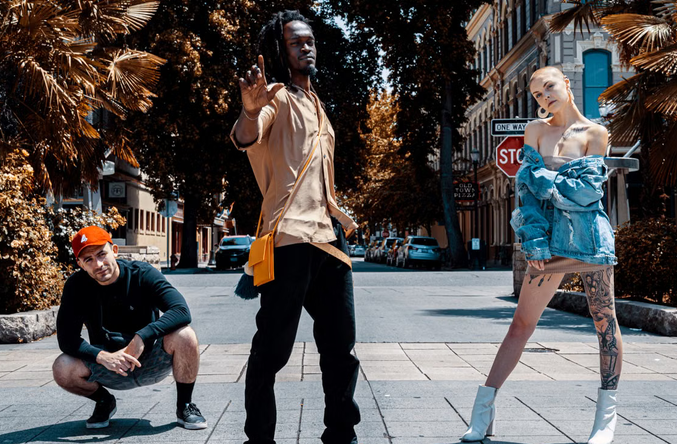
Fashion trends are often associated with established designers, major fashion houses, runway shows, and influential publications. However, many important shifts in clothing and style have emerged from communities, streets, subcultures, musicians, artists, and everyday consumers rather than traditional fashion institutions. These groups can introduce new combinations of garments, colors, silhouettes, and styling practices that gradually attract wider attention. The movement from local or unconventional settings into mainstream fashion demonstrates that trends can develop through cultural interaction long before they receive formal recognition from the fashion industry.
How Street Culture Influences Fashion
Street environments provide opportunities for people to experiment with clothing in ways that suit their surroundings, interests, and social identities. Styles that emerge in particular neighborhoods or communities can develop independently of established fashion organizations. Practical clothing may be combined with distinctive accessories or unexpected proportions, creating recognizable looks that spread through social interaction. Once these styles gain visibility, designers and retailers may begin incorporating similar ideas into wider collections, allowing grassroots fashion influences to reach larger audiences.
The Role of Music and Popular Culture
Musicians have historically influenced fashion by developing visual identities that extend beyond their music. Clothing associated with particular genres, performers, or cultural movements can become recognizable among audiences and eventually influence broader consumer preferences. Film, television, and digital entertainment can have similar effects by presenting distinctive styles to large audiences. Because these cultural channels reach people outside traditional fashion settings, they can introduce new aesthetic ideas to consumers before those ideas appear in conventional fashion institutions.
How Social Communities Create New Styles
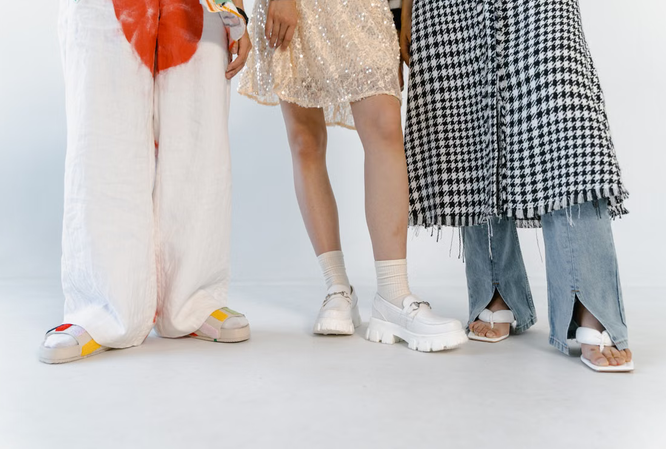
Fashion often develops through shared experimentation within communities. Groups connected by music, sports, art, hobbies, or cultural interests may develop particular approaches to clothing that reflect their collective identity. These styles can spread through personal interaction, photographs, social media, and community events. The process allows trends to evolve organically as people adapt existing garments to suit their own preferences. Over time, repeated use can transform a localized style into a recognizable fashion movement.
Why Digital Platforms Accelerate Fashion Trends
Social media has changed how quickly emerging fashion ideas can reach wider audiences. A style that once might have remained within a particular city or community can now gain international visibility through photographs, videos, and online discussions. Users can recreate and modify looks almost immediately, creating rapid cycles of imitation and reinterpretation. Digital platforms therefore reduce the distance between trend creators and consumers, allowing unconventional styles to attract attention before traditional fashion institutions have formally adopted them.
How Fashion Institutions Respond to Grassroots Trends
Traditional fashion institutions often observe cultural developments outside their immediate sphere and reinterpret them for broader markets. Designers may draw inspiration from streetwear, music scenes, youth culture, or regional styles and incorporate related ideas into collections. Retailers can then adapt these concepts for different audiences and price ranges. This process demonstrates that influence does not always move from designers toward consumers. In many cases, ideas develop among consumers and communities first before established institutions help bring them into the mainstream.
Fashion trends often begin outside traditional fashion institutions because communities, cultural movements, artists, musicians, and everyday consumers continually experiment with personal style. Their ideas can develop naturally through shared experiences before attracting attention from designers, retailers, and major media organizations. Digital platforms have accelerated this process by allowing emerging styles to reach global audiences with unprecedented speed. The relationship between grassroots culture and established fashion therefore remains dynamic, demonstrating that fashion trends can originate from almost any environment where people use clothing to express identity, creativity, and social connection.
…
Continue Reading