Why Fashion Trends Often Begin Outside Traditional Fashion Institutions

Fashion trends are often associated with established designers, major fashion houses, runway shows, and influential publications. However, many important shifts in clothing and style have emerged from communities, streets, subcultures, musicians, artists, and everyday consumers rather than traditional fashion institutions. These groups can introduce new combinations of garments, colors, silhouettes, and styling practices that gradually attract wider attention. The movement from local or unconventional settings into mainstream fashion demonstrates that trends can develop through cultural interaction long before they receive formal recognition from the fashion industry.

How Street Culture Influences Fashion

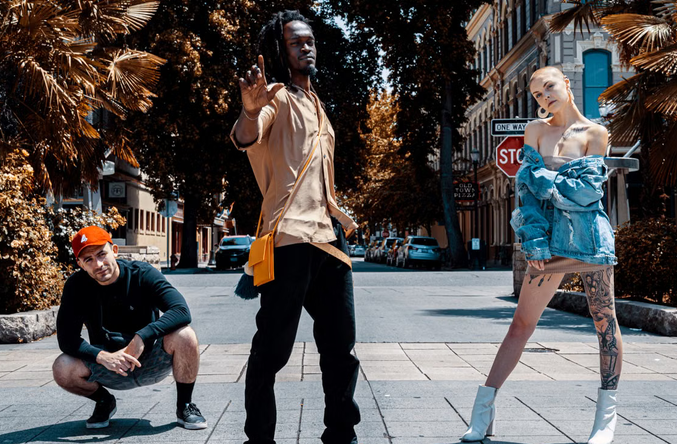
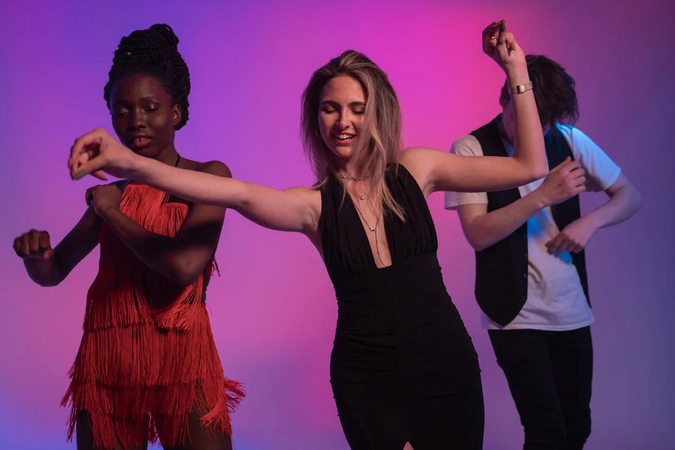
Street environments provide opportunities for people to experiment with clothing in ways that suit their surroundings, interests, and social identities. Styles that emerge in particular neighborhoods or communities can develop independently of established fashion organizations. Practical clothing may be combined with distinctive accessories or unexpected proportions, creating recognizable looks that spread through social interaction. Once these styles gain visibility, designers and retailers may begin incorporating similar ideas into wider collections, allowing grassroots fashion influences to reach larger audiences.

The Role of Music and Popular Culture

Musicians have historically influenced fashion by developing visual identities that extend beyond their music. Clothing associated with particular genres, performers, or cultural movements can become recognizable among audiences and eventually influence broader consumer preferences. Film, television, and digital entertainment can have similar effects by presenting distinctive styles to large audiences. Because these cultural channels reach people outside traditional fashion settings, they can introduce new aesthetic ideas to consumers before those ideas appear in conventional fashion institutions.

How Social Communities Create New Styles
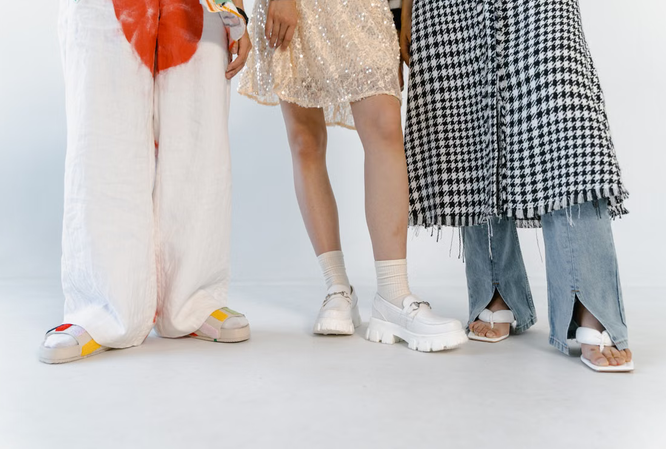
Fashion often develops through shared experimentation within communities. Groups connected by music, sports, art, hobbies, or cultural interests may develop particular approaches to clothing that reflect their collective identity. These styles can spread through personal interaction, photographs, social media, and community events. The process allows trends to evolve organically as people adapt existing garments to suit their own preferences. Over time, repeated use can transform a localized style into a recognizable fashion movement.

Why Digital Platforms Accelerate Fashion Trends

Social media has changed how quickly emerging fashion ideas can reach wider audiences. A style that once might have remained within a particular city or community can now gain international visibility through photographs, videos, and online discussions. Users can recreate and modify looks almost immediately, creating rapid cycles of imitation and reinterpretation. Digital platforms therefore reduce the distance between trend creators and consumers, allowing unconventional styles to attract attention before traditional fashion institutions have formally adopted them.

How Fashion Institutions Respond to Grassroots Trends

Traditional fashion institutions often observe cultural developments outside their immediate sphere and reinterpret them for broader markets. Designers may draw inspiration from streetwear, music scenes, youth culture, or regional styles and incorporate related ideas into collections. Retailers can then adapt these concepts for different audiences and price ranges. This process demonstrates that influence does not always move from designers toward consumers. In many cases, ideas develop among consumers and communities first before established institutions help bring them into the mainstream.

Fashion trends often begin outside traditional fashion institutions because communities, cultural movements, artists, musicians, and everyday consumers continually experiment with personal style. Their ideas can develop naturally through shared experiences before attracting attention from designers, retailers, and major media organizations. Digital platforms have accelerated this process by allowing emerging styles to reach global audiences with unprecedented speed. The relationship between grassroots culture and established fashion therefore remains dynamic, demonstrating that fashion trends can originate from almost any environment where people use clothing to express identity, creativity, and social connection.

 …

Continue Reading
dress

Trendy vs. Timeless: Finding the Right Style of Party Dress for Your Personality

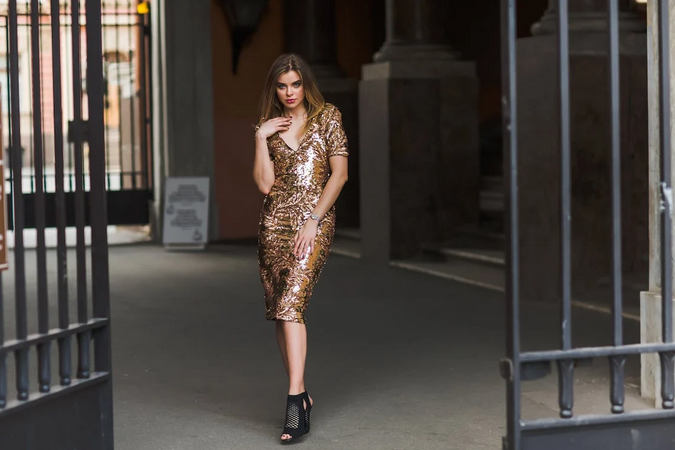
When it comes to selecting the perfect party dress, one of the key decisions you’ll face is whether to opt for a trendy or timeless style. While trendy dresses can be exciting and of the moment, timeless dresses have an enduring appeal that can withstand the test of time. Deciding between the two ultimately comes down to your personal style and preferences. Let’s explore the differences between trendy and timeless party dresses and how to choose the right one for your personality.

Understanding Trendy Party Dresses

party

Trendy party dresses are all about embracing the latest fashion fads and making a statement with bold designs, vibrant colors, and unique details. These dresses often reflect current runway trends and are perfect for those who love experimenting with fashion and making a statement. Trendy party dresses can range from sleek bodycon silhouettes to voluminous ball gowns, depending on the prevailing styles of the season.

Factors to Consider

When choosing between trendy and timeless party dresses, consider the following factors:

  • Personal Style: Think about your individual fashion preferences and how you like to express yourself through clothing. If you enjoy experimenting with the latest trends and making a fashion statement, a trendy party dress may be the perfect choice. If you prefer classic elegance and timeless sophistication, opt for a timeless party dress instead.
  • Preferred Garment Care: Having your dresses cleaned and washed properly after you wear them is crucial, especially if you’ve been to one of those hardcore parties. Proper garment care ensures that your party dresses remain in top condition, allowing you to enjoy them for years to come.
  • Occasion: Consider the nature of the event you’ll be attending and how formal or casual it is. While trendy party dresses are great for fashion-forward events and parties, timeless dresses are often more appropriate for formal occasions such as weddings, galas, or black-tie events.
  • Body Shape: Take your body shape into account when selecting a party dress. Trendy dresses may come in a variety of silhouettes and styles, so choose one that flatters your figure and accentuates your best features. Timeless dresses, on the other hand, typically have universally flattering cuts and designs that suit a wide range of body types.

Mixing and Matching

mix and match

Who says you have to choose between trendy and timeless? You can always mix and match elements of both styles to create a look that’s uniquely yours. For example, pair a classic little black dress with trendy statement accessories for a modern twist, or opt for a timeless silhouette in a trendy color or fabric.

Whether you gravitate towards trendy or timeless party dresses, the most important thing is to choose a style that makes you feel confident, comfortable, and true to yourself. Experiment with different looks have fun with fashion, and don’t be afraid to step out of your comfort zone. After all, the best party dress is one that reflects your personality and makes you shine from the inside out.…

Continue Reading
models

Exploring the Reasons Why Fashion Brands Prefer Models with Petite Physiques

The dynamic world of fashion is constantly evolving, with new trends emerging and reshaping the industry. One aspect that has been a topic of discussion for years is the preference for models with petite physiques. Check out this burn evolved reviews, and you will realize some users are fitness models. While diversity and inclusivity are crucial in the fashion industry, it is important to understand why fashion brands often lean towards models with specific body types. In this article, we delve into the reasons behind this preference.

Versatility in Clothing

clothing

One of the primary reasons why fashion brands favor models with petite physiques is their ability to showcase a wide range of clothing options. With their slender frames, petite models tend to drape and highlight various fabrics and designs beautifully. Their proportions often complement intricate details, making garments appear more prominent and accentuated. This versatility allows designers to emphasize their creations in a visually appealing manner.

Ideal Proportions

Petite models are often selected because their proportions embody the ideal silhouette seen as desirable in the fashion industry. The industry places significant emphasis on showcasing clothes that enhance and flatter the wearer. With their smaller frames, petite models can easily emphasize the finer details of clothing while maintaining overall harmony in the presentation. This helps brands create a cohesive visual representation of their collections.

Heightened Focus on Garments

By choosing petite models, fashion brands direct the focus solely on the clothing rather than on the model’s height or stature. The intention is to ensure that the garments take center stage, allowing consumers to envision themselves wearing the clothes. Choosing models with petite physiques helps to remove any potential distractions, ensuring that the designs remain the main attraction.

Cost Efficiency

Fashion shows, photo shoots, and promotional events require significant investments, and cost-efficiency is always a consideration for brands. Petite models tend to consume fewer resources, such as fabric for sample garments or space during fittings. Additionally, smaller sample sizes and alterations can be more affordable for brands. This practical aspect often influences the decision to work with petite models.

Industry Standards

pose

The fashion industry has long-established standards and expectations, which evolve with time but remain influential. Throughout history, petite physiques have often been associated with elegance, grace, and femininity. These factors play a role in shaping the preferences of fashion brands, as they aim to align with the existing industry norms and the image they wish to project to their target audience.

While the fashion industry has made significant strides towards inclusivity and diversity, the preference for petite models remains prevalent due to various factors. From versatility in clothing and ideal proportions to cost efficiency and adherence to industry standards, fashion brands consider numerous aspects when selecting models for their campaigns. However, it is important to remember that beauty comes in all shapes and sizes, and embracing diversity is crucial for the continued growth and evolution of the fashion industry.…

Continue Reading
sports bra

Workout Attire Ideas for the Gym

If you want to gain lean muscle mass, you should do a lot of workouts at the gym. You can also take the best supplements for muscle growth every day. But, how do we stay motivated at the gym? The best way to stay motivated at the gym is by wearing a cool workout outfit. Getting dressed for the gym can be difficult because of all available clothing options. You may think that all workout clothes look the same, but they don’t! This blog post will provide you with some inspiration and ideas when it comes time to dressing for your next workout at the gym.

Wear Comfortable Clothes

trainingWhen it comes to workout clothes, comfort is vital. You don’t want to be wearing something that will restrict your movement or make you feel uncomfortable. Choose to wear a cloth made from comfortable fabric and don’t have any tight seams. If you’re not sure what type of material is the best for workouts, opt for materials such as cotton, spandex, or polyester. What’s the best way to stay motivated at the gym? By wearing clothing that inspires you! Workout clothes are a great place to wear motivational words or phrases, but they’re not the only thing that will motivate you.
Choose Colors That Compliment Your Skin Tone

outfitWhen picking out colors for your workout clothes, you should always consider your skin tone. If you have a light complexion, stick with bright colors like pink, yellow or green. If you have a darker complexion, opt for earth tones like olive green or brown.

It will help ensure that your outfit looks good and makes you feel confident. Wearing clothes in colors that compliment your skin tone is a great way to feel more confident when you’re at the gym. In addition, you can also wear some accessories such as a necklace, a pair of earbuds, and a smartwatch.

Pick Comfort Over Style for Shoes

treadmillsWhen you’re picking out a pair of shoes to wear to the gym, they must be easy to walk in. You don’t want to struggle with your shoes while trying to focus on your workout. Choose a pair of shoes with a good amount of cushioning and support. If you’re not sure what type of shoes to wear, consult with a sales associate at your local sporting goods store. They will be more than happy to help you find the perfect pair of shoes for your workouts. A good pair of shoes is vital when it comes to staying motivated while you’re at the gym.

When it comes time to dress for your next workout at the gym, consider some of these tips, they will help you stay motivated while working out and ensure that your workout clothes are comfortable.…

Continue Reading